
On October 10, 2025, Ben's Original launched a voluntary recall of nine specific batches of its Ready Rice products after small, naturally occurring stones were found in some packages—potentially posing a risk of oral or digestive injury if swallowed. The affected products include Long Grain White Rice, Whole Grain Brown Rice, and Long Grain & Wild Rice, all with best-by dates of August 2026. The recall, submitted to the U.S. Food and Drug Administration (FDA), is limited to batch codes: 533ELGRV22, 534ALGRV22, 534AMGRV22, 534BMGRV22, 534DMGRV22, 533BMGRV22, 533CLGRV22, and 533CMGRV22. No illnesses have been reported, but the company is acting preemptively. The rice was distributed between August and September 2025 through major wholesale distributors Associated Grocers, C&S Wholesale Grocers, and Dot Foods, reaching retailers nationwide.
What Products Are Affected—and Where Were They Sold?
The recall targets only nine batch codes, all with the same best-by date: August 2026. That means these weren’t old stock—they were fresh off the shelf, likely still sitting in pantries or grocery aisles when the recall dropped. The problem? Tiny stones, likely picked up during harvesting from the rice fields. Not a manufacturing flaw. Not a chemical contaminant. Just nature, occasionally, getting in the way.
Some of these batches had specific retail footprints. Batch 534ALGRV22 (Long Grain White) turned up at HEB in Texas. Batch 534AMGRV22 (Whole Grain Brown) was sold at Target. Batch 534DMGRV22 (Whole Grain Brown) also hit HEB. Then there’s 533CLGRV22 (Long Grain & Wild), found at United Markets. And 533CMGRV22? That one made it to HEB, Amazon, and Piggly Wiggly. But here’s the catch: those are just the knowns. The recall notice explicitly warns that other stores may have received the product through the same distributors. So if you bought Ben’s Original rice from any U.S. retailer between August and September 2025, it’s worth checking your pantry.
Why This Isn’t a Manufacturing Failure
Ben’s Original is quick to clarify: this isn’t a breakdown in their processing plant. The stones came from the farm—where rice is grown, harvested, and dried. Even with modern machinery, it’s nearly impossible to eliminate every pebble from soil-grown crops. The company says it’s an “isolated issue,” and they’ve already tightened screening protocols at the source. That’s the responsible move. Most recalls happen after someone gets hurt. This one happened before. That’s rare. And it’s worth noting.
Compare this to the 2018 recall of certain rice brands over arsenic levels, or the 2021 incident involving plastic fragments in frozen meals. Those were systemic. This? It’s a one-off agricultural quirk. Still, even one stone in a pouch of rice you’re about to microwave is enough to make you pause. Imagine biting down on something hard while eating a quick dinner after work. That’s the fear they’re trying to prevent.
Consumer Response and Media Coverage
By October 20, 2025, The Oklahoman, a respected regional newspaper based in Oklahoma City, published a detailed report on the recall, citing the FDA submission directly. Interestingly, the article still referred to the brand as “Uncle Ben’s”—the name used until 2020, when Mars, Incorporated (the parent company, though not named in official documents) rebranded to Ben’s Original to distance itself from outdated racial stereotypes. The fact that media still uses the old name shows how deeply the legacy lingers, even as the company tries to move forward.
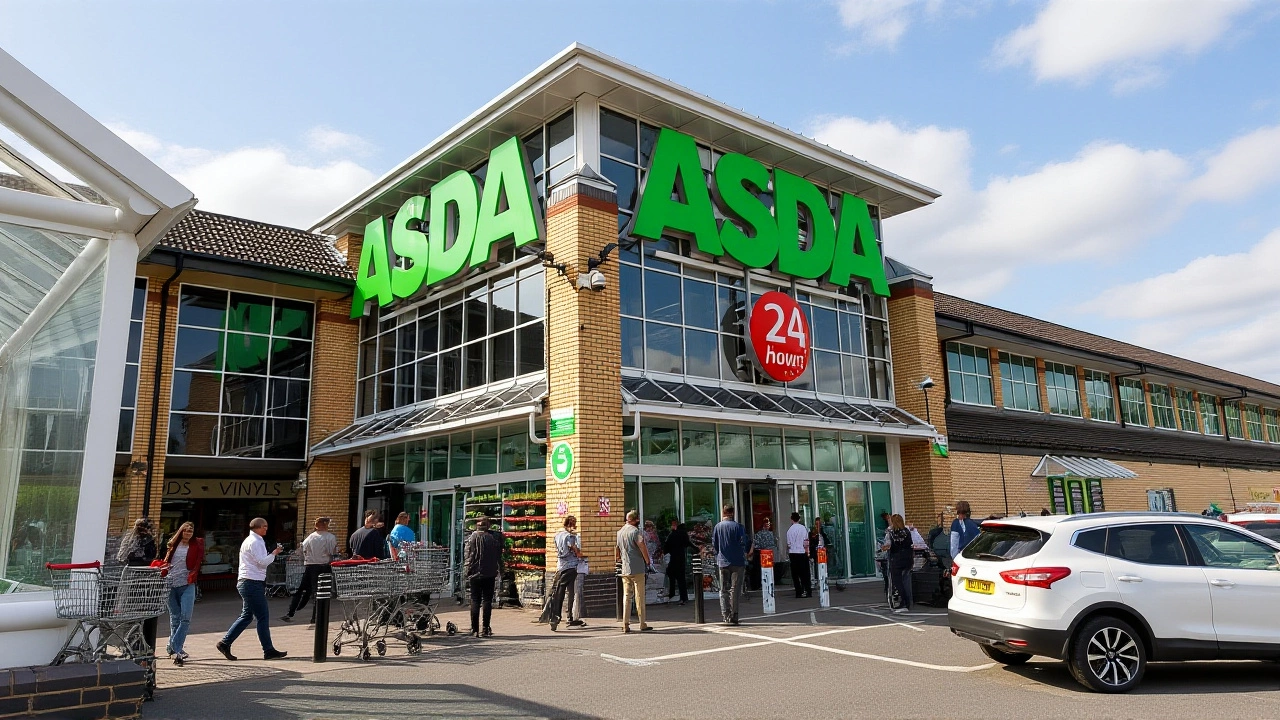
So far, no injuries have been reported. That’s the silver lining. But the response has been swift. HEB, Target, and Amazon have all removed the affected batches from shelves and online inventories. Piggly Wiggly, which operates mostly in the Southeast, posted recall notices at checkout counters. The FDA’s involvement adds weight to the action, but this was entirely voluntary—no regulatory pressure, no warning letter. Just a company choosing transparency over silence.
What You Should Do Now
If you’ve got a bag of Ben’s Original Ready Rice at home, don’t panic. But do check the bottom seal of the package. Look for the batch code and best-by date. If it matches any of the nine listed codes, throw it out—or better yet, take it back to the store. You’ll get a full refund, no receipt needed. Most retailers are honoring returns without hassle. If you’re unsure, call Ben’s Original Consumer Affairs. (Their number isn’t in the public notice, but it’s listed on their website under the recall page.)
This isn’t a mass contamination. It’s not a widespread health threat. But it’s a reminder that even the most routine foods—rice, a staple for millions—can carry hidden surprises. And when a company moves fast to protect you, even over something as small as a pebble, that’s worth noticing.
What’s Next?
The recall remains active as of late October 2025, with no end date announced. Ben’s Original says it’s working with distributors to track down every affected package. Retailers are being asked to confirm removal, and the FDA will monitor compliance. Industry analysts expect no further expansions to the recall, given how narrowly defined the batch codes are. But this incident may prompt tighter stone-screening standards across the rice industry—especially for pre-cooked, ready-to-eat products where consumers don’t inspect the grains before cooking.
It’s also a quiet lesson in food safety culture. Most recalls happen because someone got sick. This one happened because someone noticed a problem—and chose to act. That’s the kind of integrity that builds long-term trust.
Frequently Asked Questions
How do I know if my Ben’s Original rice is part of the recall?
Check the bottom seal of the package for the batch code and best-by date. Only nine batch codes are affected: 533ELGRV22, 534ALGRV22, 534AMGRV22, 534BMGRV22, 534DMGRV22, 533BMGRV22, 533CLGRV22, and 533CMGRV22—all with best-by dates of August 2026. If your package matches one of these, it’s part of the recall. No other Ben’s Original products are affected.
Can I get sick from eating rice with small stones in it?
There are no confirmed injuries or illnesses linked to the recalled rice as of October 2025. However, the FDA and Ben’s Original warn that consuming small stones could cause chipped teeth, mouth cuts, or digestive tract irritation. The risk is low, but real—especially for children, elderly individuals, or those with dental work. Discarding or returning the product is the safest course.
Why is this recall limited to just nine batch codes?
The stones originated from a specific harvest batch at a single rice farm, not a systemic issue across production lines. Ben’s Original traced the contamination to a narrow window of supply from August to September 2025, and the nine batch codes correspond to that exact window. All other batches from different harvests or farms were cleared and remain on shelves.
Is this recall related to the Uncle Ben’s rebranding?
No. The rebranding from Uncle Ben’s to Ben’s Original in 2020 was a separate initiative to modernize the brand’s image and remove outdated racial stereotypes. This recall is purely about agricultural contamination and has no connection to the name change. However, media outlets still sometimes use the old name, which can cause confusion among consumers.
What should I do if I already ate some of the rice?
If you ate the rice and feel fine, you’re likely okay. Most stones are small and pass through the digestive system without issue. But if you experience pain, difficulty swallowing, or unusual discomfort, seek medical attention and mention the recall. Keep the packaging—it may help with diagnosis or insurance claims. No reports of harm have been filed, but vigilance is still advised.
Will Ben’s Original change how they source rice after this?
Yes. The company has confirmed it’s enhancing stone-detection protocols at the farm level, including additional optical sorting and manual inspection steps before rice enters processing. While stone contamination is rare in commercial rice, this incident has prompted a review of sourcing partnerships. Expect tighter standards for future harvests, especially for ready-to-eat products where consumers don’t rinse or sort the grains themselves.