
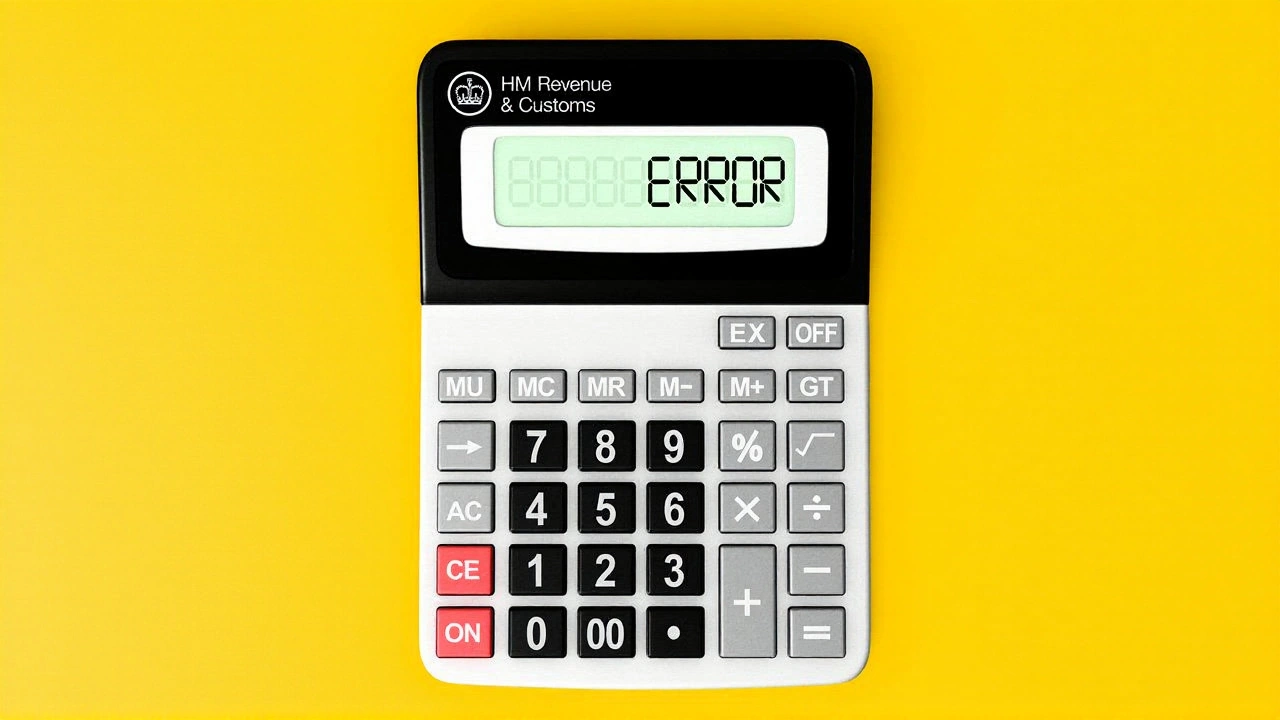
For millions of retirees, the dread of opening a payslip has often been outweighed by the frustration of realizing they’ve paid too much tax. But that anxiety is set to vanish starting next spring. HM Revenue and Customs (HMRC) has announced a major overhaul of how Income Tax codes are applied to pension withdrawals, designed to stop savers from being overcharged at the source. The change kicks in on 6 April 2025, promising that people will finally pay the right amount of tax from the outset, rather than chasing refunds months later.
This isn’t just a minor tweak; it’s a direct response to years of criticism regarding the "emergency" tax codes that frequently trap pensioners. Under the old system, flexible withdrawals were often taxed on a non-cumulative basis, meaning every withdrawal was treated as if it were the only one you’d make all year. The result? Massive over-deductions that left retirees scrambling to reclaim their cash or waiting until the end of the tax year for a rebate.
The End of Emergency Tax Codes
Here’s the thing: the current system forces many individuals into a bureaucratic nightmare. If you took a lump sum from your pension pot, HMRC might apply a temporary tax code. This often resulted in withholding far more than necessary. You’d then have to file forms like P55 or P53Z to get your money back—a process that could take weeks or even months.
According to Pension schemes newsletter 166, the new rules will automatically update tax codes for customers who are on a temporary code but would benefit from a cumulative one. A cumulative code tracks your total income throughout the year, ensuring you use your full personal allowance correctly. As HMRC stated, this means no more separate action needed to correct over-deductions. The department will handle the updates itself, notifying affected taxpayers via letter or digitally through the HMRC app.
But wait—does this mean you can sit back and do nothing? Mostly, yes. HMRC has explicitly said there is "no need to contact HMRC" for those affected by this specific April 2025 change. However, vigilance is still key. While the automation improves, errors can still happen, especially if your circumstances change mid-year.
What About State Pension Uprating?
While the focus is on private pension pots, state pensioners aren't off the hook entirely. In fact, their tax codes are subject to complex annual adjustments. When the state pension rate increases each April, HMRC doesn’t simply switch the rate overnight for tax purposes. Instead, they calculate an expected annual state pension by combining one week at the old rate and fifty-one weeks at the new, increased rate.
This calculation sets the CY+1 coding deduction. It sounds technical, but it matters because it determines how much tax-free allowance you have left for other income. For those who qualified for the state pension on or after 6 April 2010, the payment day falls between Monday and Friday, determined by the last two digits of their National Insurance number. This timing affects whether the calculation uses one week at the previous rate or fifty-two weeks at the new rate, depending on when 6 April lands.
Interestingly, this uprating process is managed by HMRC’s Uprating Service. They ensure that the weekly changes in pension rates are converted into annualized figures used in tax codes. It’s a delicate balance, and getting it wrong can lead to unexpected tax bills or underpayments.

The Winter Fuel Payment Twist
Turns out, not all tax code changes are about giving money back. Some are about taking it. Recent reports highlight that HMRC is adjusting tax codes for state pensioners to reclaim £300 from those who received Winter Fuel Payments containing taxable cost-of-living elements. This seems contradictory to the spirit of the April 2025 reforms, which aim to reduce administrative burden.
The Liverpool Echo reported that these adjustments are specifically targeting state pensioners handed the Winter Fuel Payment. The £300 is treated as taxable income, and HMRC is using PAYE adjustments to recoup it. This highlights a broader issue: while HMRC automates corrections for over-taxation on withdrawals, it also aggressively pursues underpaid tax on benefits. Retirees must remain vigilant, checking every payslip and challenging codes that don’t match their actual income structure.
Practical Steps for Retirees
Even with the new automated systems, experts advise staying proactive. Here’s what you should do:
- Check your tax code: Look at your payslips or HMRC notices. Ensure the code reflects your current income sources.
- Use digital tools: Log in to your GOV.UK Personal Tax Account. Delete any old inactive employers listed on your profile, as leaving them uncorrected can cause the system to apply your allowance twice, creating a debt.
- Monitor for errors: If you’re hit with an emergency tax code, don’t wait for the end-of-year P800 reconciliation. Act immediately.
- File claims if needed: If you’ve already been over-taxed before April 2025, submit form P55 for partial pot withdrawals or P53Z if you emptied the entire pot. Refunds usually arrive within 30 days.
TaxAid, a UK tax charity, reinforces this point in its guidance for reviewing 2025/26 tax codes. They stress that keeping HMRC informed of changes is vital. You can find your tax code on HMRC’s website, letters, or payslips. If details are wrong or missing, you can update your estimated income online—but only six weeks after your first payment from a missing provider.
Why This Matters Now
The shift to cumulative tax codes for pension withdrawals is a significant win for financial planning. It removes the uncertainty that plagued many retirees who feared dipping into their savings. By aligning tax deductions with actual annual income, HMRC reduces the risk of cash flow problems caused by over-withholding.
However, the complexity remains. With multiple income streams—state pension, private pensions, annuities, and taxable benefits—the risk of coding errors persists. The "£1 hack," where withdrawing a nominal amount forces HMRC to generate a correct cumulative code, may become less necessary, but understanding how your code works is more important than ever.
As we approach April 2025, the message is clear: the system is improving, but it’s not perfect. Stay informed, check your codes, and don’t hesitate to challenge discrepancies. Your hard-earned pension deserves accurate taxation.
Frequently Asked Questions
When do the new pension tax code rules start?
The new rules applying correct cumulative tax codes to pension pot withdrawals begin on 6 April 2025. This change aims to prevent over-taxation at the source, eliminating the need for many retirees to reclaim excess tax manually.
Do I need to contact HMRC to get the new tax code?
No, HMRC states there is generally no need to contact them for this specific change. They will automatically update tax codes for customers on temporary codes who would benefit from cumulative ones. You will be notified by letter or digitally via the HMRC app.
How does HMRC calculate tax for state pension uprating?
HMRC calculates the expected annual state pension by combining one week at the old rate and fifty-one weeks at the new, increased rate. This figure is used to set the CY+1 coding deduction, ensuring tax allowances are adjusted correctly for the new tax year.
Why are some state pensioners seeing tax reclaimed on Winter Fuel Payments?
HMRC adjusts tax codes to reclaim £300 from state pensioners who received Winter Fuel Payments containing taxable cost-of-living elements. This is treated as taxable income, and the tax is collected through PAYE adjustments on future pension payments.
What should I do if I’ve already been over-taxed before April 2025?
If you’ve been over-taxed prior to the new rules, you can still claim a refund. Submit form P55 for partial pot withdrawals or form P53Z if you emptied the entire pot. Refunds are typically processed within 30 days of submission.
Is the "£1 hack" still useful for pension withdrawals?
With the new automatic cumulative coding from April 2025, the "£1 hack" (withdrawing a small amount to force a code update) may become less necessary. However, monitoring your tax code and ensuring HMRC has accurate income data remains crucial for avoiding errors.