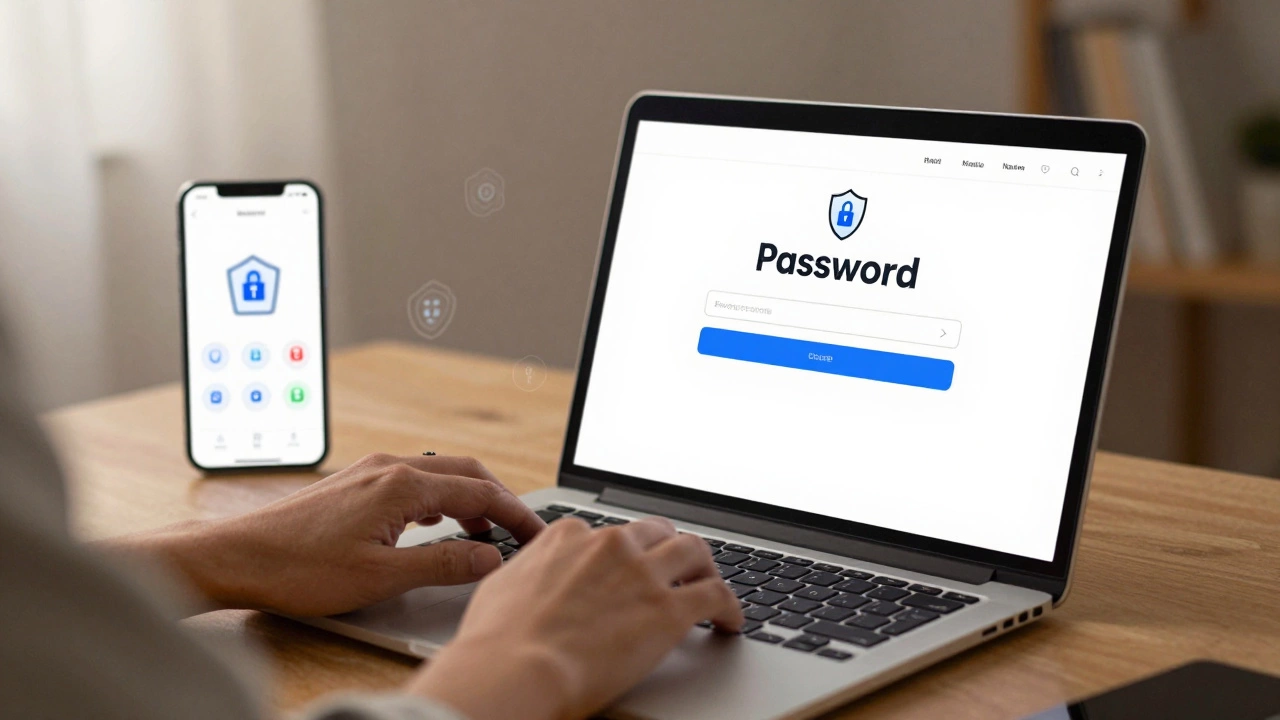
Forgot your password? Locked out of your email, bank, or social media account? You’re not alone. Millions of people reset their passwords every day - and it’s one of the easiest security fixes you can make. Changing your password isn’t just about getting back in; it’s about stopping someone else from getting in. Whether you’re on your phone, laptop, or tablet, the process is usually quick and straightforward. Just follow the right steps, and you’ll be back in control in minutes.
If you’re looking for something unrelated but oddly specific - like prostitutes en paris - you might end up in the wrong place. But if you’re here to lock down your digital life, you’re in the right one.
Why Changing Your Password Matters
Using the same password for everything is like using the same key for your front door, car, and safe. If one gets stolen, everything’s at risk. In 2024, over 80% of data breaches involved weak or reused passwords, according to the Verizon Data Breach Investigations Report. That’s not a statistic - it’s a warning.
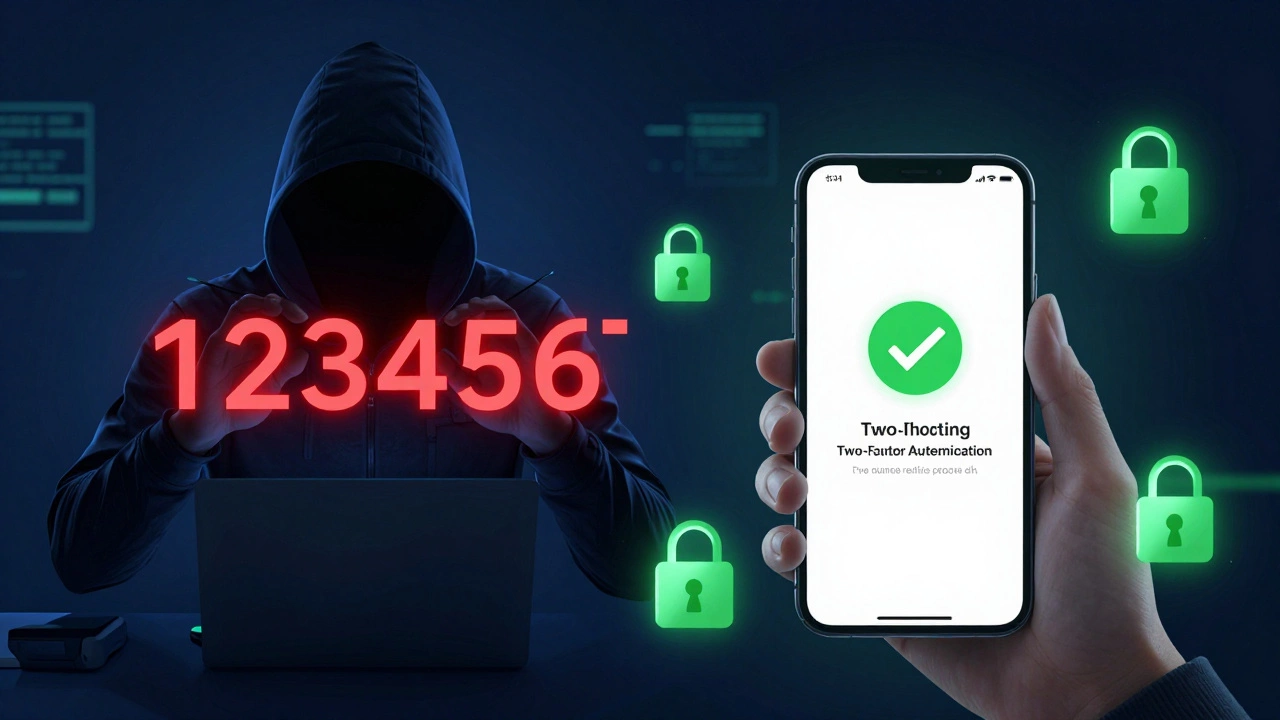
Changing your password regularly reduces the chance that old leaks or stolen credentials from other sites will give hackers access to your current accounts. Even if you think your password is “good enough,” it might not be. Simple ones like “123456” or “password” are cracked in seconds. A strong password should be long, random, and unique.
How to Change Your Password on Most Websites
Most platforms follow the same basic pattern. Here’s how to do it:
- Log in to your account.
- Go to your account settings or profile menu - usually found in the top-right corner.
- Look for “Security,” “Password,” or “Login Settings.”
- Click “Change Password” or “Reset Password.”
- Enter your current password (if required), then type your new one twice.
- Save or confirm the change.
You’ll usually get an email or notification confirming the change. If you don’t, check your spam folder. Some services require you to re-authenticate with a code sent to your phone or email. That’s normal - it’s there to make sure it’s really you.
What Makes a Strong Password?
A strong password isn’t just about complexity - it’s about unpredictability. Here’s what works:
- At least 12 characters long
- Uses a mix of uppercase, lowercase, numbers, and symbols
- Doesn’t include your name, birth year, or common words like “summer2025”
- Is unique to that account - never reused
Instead of “Password123!”, try something like “B!ue$ky9#M0on”. It’s meaningless to you, but hard for machines to guess. You don’t need to remember all of them - that’s what password managers are for.
Use a Password Manager
Trying to remember 20 different complex passwords? You’re setting yourself up for failure. Password managers like Bitwarden, 1Password, or the one built into your phone or browser (like iCloud Keychain or Chrome’s password manager) generate and store strong passwords for you.
They auto-fill logins, alert you if a password is weak or reused, and even sync across devices. Most are free or cost less than $3 a month. The biggest benefit? You only need to remember one master password - the one you use to unlock your vault.
And yes, they’re secure. Even if a hacker breaks into the company’s servers, your passwords are encrypted and unreadable without your master key.
What to Do If You Can’t Remember Your Current Password
If you’re locked out and can’t log in, look for “Forgot Password?” or “Reset Password” on the login page. Click it. You’ll be asked to verify your identity - usually through:
- An email sent to your registered address
- A text message with a code
- Answering security questions (though these are less reliable)
Once verified, you’ll be able to set a new password. If you don’t get the email, check your spam folder. If you don’t have access to your recovery email or phone, you may need to contact customer support. Be ready to prove you own the account - they’ll ask for details like your full name, date of birth, or past purchase history.
Enable Two-Factor Authentication (2FA)
Changing your password is step one. Step two is adding a second layer of protection: two-factor authentication. This means even if someone guesses your password, they still need your phone or authentication app to log in.
Enable 2FA on your email, bank, social media, and cloud accounts. Most services offer it through:
- Text messages (SMS) - okay, but not ideal
- Authenticator apps like Google Authenticator or Authy - better
- Physical security keys like YubiKey - best
Authy and Google Authenticator work offline and don’t rely on your phone number. That’s important if your SIM gets swapped or your phone dies.
Check for Data Breaches
Did you know your old passwords might already be out there? Sites like Have I Been Pwned track leaked data from major breaches. You can enter your email address and see if it’s been exposed in any known leaks.
If it has, change that password immediately - even if you think you haven’t used it in years. Hackers keep old lists and try them on new accounts. A password that was safe in 2018 might be cracked today.
Don’t Fall for Phishing Scams
Be careful of fake password reset emails. Scammers send messages that look like they’re from Google, Facebook, or your bank - asking you to click a link and enter your password. That link takes you to a fake site designed to steal your login.
Always go directly to the official website. Type the address yourself. Don’t click links in emails, texts, or social media DMs - even if they look real. If you’re unsure, call customer service or check the official support page.
Change Passwords After Major Events
Here are times you should always reset your password:
- After a known data breach involving a service you use
- If you shared your password with someone (even a friend)
- After using a public computer or shared device
- If you suspect someone accessed your account
- Every 3 to 6 months - even if nothing seems wrong
It’s not paranoia. It’s routine maintenance - like changing your oil or checking your smoke detectors.
And if you’re ever wondering about the safety of your online habits, remember: escort parsi might be a topic you’re curious about, but your digital security is something you can control - and you should.
Final Checklist Before You Finish
Before you close this page, do this:
- ✅ Changed your password on your most important accounts (email, bank, cloud)
- ✅ Used a unique password you haven’t used anywhere else
- ✅ Enabled two-factor authentication
- ✅ Saved your new password in a password manager
- ✅ Checked Have I Been Pwned for past breaches
That’s it. You’ve done more than 90% of people. Your accounts are safer now.
And if you ever forget how to do this again, bookmark this page - or just search “how to change password” anytime. You’ve got this.
How often should I change my password?
You don’t need to change it every month. Experts now recommend changing passwords only when there’s a reason - like a breach, suspected compromise, or if you’ve reused it elsewhere. But if you’re not using a password manager, changing every 3 to 6 months is a good habit. The real goal isn’t frequency - it’s uniqueness and strength.
What if I forget my new password right after changing it?
Use the “Forgot Password” link on the login page. You’ll need access to your recovery email or phone number. That’s why it’s critical to keep those updated. If you don’t have access to either, contact customer support with proof of identity - like account details, past transactions, or security questions.
Can I use the same password for my work and personal accounts?
Never. Work accounts often have stricter security rules and may contain sensitive data. If your personal account gets hacked, attackers can try the same password on your work login. Companies also monitor for password reuse. Use separate passwords - and a password manager to keep track.
Is it safe to let my browser save my passwords?
It’s better than reusing simple passwords, but not ideal. Browser password managers are convenient but less secure than dedicated apps. They don’t always alert you to breaches, and if someone gets access to your device, they can log in to all your accounts. For better protection, use a standalone password manager like Bitwarden or 1Password.
Why do some sites say my password is too weak even though I think it’s good?
Many sites block common patterns - like “Password123!” or “Qwerty123!” - even if they look complex. They use lists of millions of leaked passwords to block anything that’s been used before. If your password gets rejected, try making it longer, adding symbols, or using random words like “BlueTiger$Mountain9” instead of dictionary-based phrases.
If you’ve followed these steps, you’ve taken real control of your digital safety. No more guessing. No more panic. Just a stronger, smarter login.